
BLOG
Exercise and BDNF
We’ve all heard that exercise is good for our health. It has been associated with benefits for almost all systems in the body including improved cardiovascular health, increased bone mineral density, decreased risk for stroke, diabetes, and cancer. It is also well known for decreased rates of depression.
What do we know about how exercise impacts the brain? Exercise has been associated with improved cognitive function including memory, attention, executive functioning, and problem solving. It has been shown to promote brain vascularization (improved blood flow to the brain). Exercise is linked to a larger volume of the hippocampus, the brain center for learning and memory, and also one area of the brain that is affected in Alzheimer’s. Exercise has also been shown to promote the growth of new neurons in the brains.

We’ve all heard that exercise is good for our health. It has been associated with benefits for almost all systems in the body including improved cardiovascular health, increased bone mineral density, decreased risk for stroke, diabetes, and cancer. It is also well known for decreased rates of depression.
What do we know about how exercise impacts the brain? Exercise has been associated with improved cognitive function including memory, attention, executive functioning, and problem solving. It has been shown to promote brain vascularization (improved blood flow to the brain). Exercise is linked to a larger volume of the hippocampus, the brain center for learning and memory, and also one area of the brain that is affected in Alzheimer’s. Exercise has also been shown to promote the growth of new neurons in the brains.
So how does exercise promote all of these positive changes in the brain? One way is through a growth factor called brain derived neurotrophic factor (BDNF). BDNF supports health and functioning of neurons in the brain, or brain cells. These cells connect the cognitive, motor, and sensory areas of the brain. Increased BDNF levels improve communication between cells in the brain, and also improve the ability of a brain cell to differentiate (perform different tasks). High intensity interval training and continuous moderate to high intensity exercise are both associated with increased BDNF levels.
Higher levels of BDNF have been found to:
Preserve cognitive functioning in older adults
Promote recovery following traumatic central nervous system (CNS) injury (brain and spinal cord)
Induce the growth of new neurons in the adult CNS
Decreased levels of BDNF have been found to be associated with:
Anxiety
Major depressive disorder
Schizophrenia
Alzheimer’s disease.
BDNF and traumatic brain injury
BDNF has been found to have a protective effect when it comes to brain injury. In a study measuring blood BDNF levels immediately following a brain injury, they found that patients who had very low levels of BDNF were more likely to have symptoms of the brain injury after 6 months than patients with higher levels. Patients with mild traumatic brain injuries in this study were also found to have higher BDNF levels at the time of injury compared to patients with moderate to severe injuries. Furthermore, patients with higher levels of BDNF were less likely to have evidence of bleeding in their brains on CT scans than patients with lower levels of BDNF.
With all of the known benefits of exercise, and the evidence of a protective effect from brain injury, we are huge proponents of exercise and increased levels of BDNF. We also know that exercise is critical in the recovery from a concussion, and getting moving is often the most important factor in starting to feel more normal after an injury. Exercise for the win!
References:
Korley FK, Diaz-Arrastia R, Wu A, et al. Circulating Brain-Derived Neurotrophic Factor Has Diagnostic and Prognostic Value In Traumatic Brain Injury. J Neurotrauma. 2016;33:215-225.
Gomez-Pinilla F, Ying Z, Roy RR, et al. Voluntary Exercise Induces a BDNF-Mediated Mechanism That Promotes Neuroplasticity. J Neurophysiol. 2002;88:2187-2195.
- Kate Smulligan
Concussion Myths: Debunked!
Concussion is a hot topic these days, and with that comes a lot of misinformation. With concussions getting so much attention in the media, there are a lot of providers jumping on board and saying that they treat concussions. This can be misleading and even harmful if they do not have the specialized training needed to effectively and efficiently manage these injuries.
Since it can be so confusing to know what to believe, we are going to dive into some of the most common myths, misconceptions, and misinformation that are out there about concussions!

Concussion is a hot topic these days, and with that comes a lot of misinformation. With concussions getting so much attention in the media, there are a lot of providers jumping on board and saying that they treat concussions. This can be misleading and even harmful if they do not have the specialized training needed to effectively and efficiently manage these injuries.
Since it can be so confusing to know what to believe, we are going to dive into some of the most common myths, misconceptions, and misinformation that are out there about concussions!
Myth: Rest is the best treatment for concussion: We hear this ALL the time. So many of our patients have been told to just rest until symptoms go away. This is NOT the best treatment and can actually make symptoms worse and prolong recovery! Current research supports a 2-3 day period of rest immediately following the injury, followed by increased cognitive and physical activity. This activity should be symptom limited meaning it should not make symptoms worse. If you have been told to just rest, it’s time to find a new provider to help you along your concussion recovery journey!
Myth: Staying in a dark room until symptoms subside is the best treatment for a concussion: This goes along with rest. The thought behind the dark room is avoiding light, noise, and social interactions to decrease symptoms while recovering. The problem with this is that deprivation of all of this stimuli can actually make the symptoms worse in the long run and prolong recovery! Again, a 2-3 day period of rest and reduced stimulation followed by gradual return to activity is considered the best treatment for concussion.
Myth: You must hit your head to sustain a concussion: You can absolutely sustain a concussion from direct impact to the head. However, this is not the only way! The mechanism of a concussive injury is acceleration/deceleration of the brain inside the skull, which can be caused by direct force to the head. Other potential causes of concussion are whiplash (head whipping forward/backward), body checking in sports, tackling, and falling. Any of these, with enough force, can cause a concussion without any impact to the head.
Myth: If you do not lose consciousness, it’s not a concussion: Nope, not true! Again, the mechanism of injury for a concussion is acceleration and deceleration of the brain inside the skull, and this can happen without losing consciousness.
Myth: Helmets prevent concussions: Even though helmets are really important, they do not protect against concussions! As we’ve mentioned already, concussions are not only caused by head trauma, but also by the acceleration and deceleration of the brain inside the skull. Since a helmet cannot stop the movement of the brain, it will not protect against a concussion. That being said, helmets are important for protecting against more severe brain injuries and skull fractures. Helmets save lives, so we are certainly huge advocates of wearing them.
Myth: Exercise is detrimental in the acute phase of a concussion: The research in this area is growing, and more studies are finding that exercise in the acute phase of a concussion is actually beneficial to recovery. It’s really important that this exercise does not make symptoms worse. If you have some symptoms before you start, such as a headache or mild dizziness, and these symptoms get worse, the intensity is too much. You want to aim for exercising at a level that you can maintain without increasing symptoms. Physical therapists and athletic trainers trained in concussion management can administer a treadmill test to help determine the appropriate exercise intensity and guide your return to safe physical activity.
Myth: One provider can treat all needs following a concussion: There are so many systems impacted and symptoms caused by concussions, and it takes a multidisciplinary team for effective, comprehensive treatment. This team can include MDs, neurologists, physical therapists, cognitive therapists, optometrists, psychologists, and the list goes on! Not every person will require all of this therapy, and their care team should be individualized to their needs. Be skeptical if a provider is claiming they can treat all of your concussion needs!
Myth: Treatment of dizziness requires treatment of the vestibular system only: The vestibular system plays a huge role in dizziness and balance, and it is frequently affected with a concussion. So treatment of the vestibular system is really important in traumatic brain injury. HOWEVER. There are multiple systems involved in dizziness that can be impacted following an injury. Dizziness can be coming from the vestibular system, as well as the visual system, the neck, and blood flow/autonomic nervous system regulation. Any or all of these systems can be involved in dizziness. A thorough concussion evaluation should involve testing of all 4 of these areas to identify the impairments contributing to dizziness. This is essential for developing an effective and comprehensive individualized treatment program.
Myth: Symptoms are present immediately after an injury: People can have an immediate onset of symptoms following an injury. However, there is a neurometabolic cascade (fancy term for what’s happening at the cellular level) that happens after a concussive injury that can cause a delayed onset of symptoms. What does this mean? A person can sustain an impact and feel fine immediately. They may not become symptomatic until a few hours or even a day or two later. After an impact to the head OR body, it’s important to be on the lookout for symptoms of a concussion that may develop up to a day or two later.
These are some of the most common myths that patients hear regarding their injuries. Our goal at Colorado Concussion Clinic is to provide the most up to date and evidence-based concussion care, as well as educate patients and providers on the current best care for mild traumatic brain injuries. Getting the right information following an injury can contribute to a more timely recovery - a win for everyone involved!
- Kate Smulligan
Concussion Care Matters: Don't Just Sit and Rest
Any orthopedist will tell you that a broken arm requires 4-6 weeks in a cast to heal. Heart surgeons give their cardiac patients 6 weeks to begin to feel better, and up to 6 months to feel the full benefits of the surgery. According to many professionals, an injury to the brain, our most complex organ, should take 10 days.
I hope you can appreciate the absurdity of the timelines given above. I will absolutely concede that a number of people with concussive injuries heal within that ten-day time frame, and that is certainly the hope, but many do not. Symptoms that persist beyond 10 days should be addressed by trained professionals to maximize recovery. Early treatment is key for better outcomes.
Any orthopedist will tell you that a broken arm requires 4-6 weeks in a cast to heal. Heart surgeons give their cardiac patients 6 weeks to begin to feel better, and up to 6 months to feel the full benefits of the surgery. According to many professionals, an injury to the brain, our most complex organ, should take 10 days.
I hope you can appreciate the absurdity of the timelines given above. I will absolutely concede that a number of people with concussive injuries heal within that ten-day time frame, and that is certainly the hope, but many do not. Symptoms that persist beyond 10 days should be addressed by trained professionals to maximize recovery. Early treatment is key for better outcomes.
A common misconception of concussion (a term now synonymous with mild traumatic brain injury - “mtbi”) is that complete rest leads to recovery - a recommendation not based on current scientific data. Infact, research actually shows that complete rest beyond the first 24-48 hours is detrimental to healing. Research shows that moderate activity is imperative to healing from concussion. There is, however, a caveat: too much activity can set you back in your recovery.
Let me take a step back here. What is a concussion? What are the signs and symptoms?
The following definition is taken from the American Congress of Rehabilitation Medicine:
A patient with mild traumatic brain injury (aka concussion) is a person who has had a traumatically induced physiological disruption of brain function, as manifested by at least one of the following:
1. any period of loss of consciousness;
2. any loss of memory for events immediately before or after the accident;
3. any alteration in mental state at the time of the accident (e.g., feeling dazed, disoriented, or confused); and
4. focal neurological deficit(s) that may or may not be transient; but where the severity of the injury does not exceed the following:
• loss of consciousness of approximately 30 minutes or less;
• after 30 minutes, an initial Glasgow Coma Scale (GCS) of 13–15; and
• posttraumatic amnesia (PTA) not greater than 24 hours.
In layman's terms, if you don't “feel right” or you feel “out of it”, you likely sustained a concussion. It is important to note that nowhere in the definition does it say you had to have a direct blow to the head. In fact, quite the opposite is true. You can sustain a concussion without hitting your head.
Below are some of the most common real world signs and symptoms of concussion, grouped into the following categories: physical, cognitive, emotional, and sleep.
Physical Cognitive Emotional Sleep
Light Sensitivity Feeling foggy Easily Angered Too much sleep
Noise Sensitivity Trouble with memory Cry more easily Hard to fall asleep
Headaches Trouble finding words Hard to stay asleep
Dizziness/Balance Issues
Neck pain
Visual issues
Alright, so you think you have a concussion. Now that you know you probably shouldn’t rest and avoid everything, what should you do? Like I said, a percentage of the concussion population will recover within ten days. If you’re one of those people, that’s great. You can likely resume your activities, although you should take care to avoid hitting your head again. But if that’s not the case, please read on.
I equate concussion treatment to early intervention for school children. Any child that is struggling with learning to read will get some intervention (in most schools), because it is unclear if the child will eventually catch up with his or her peers, or fall further and further behind. Investing time and therapy in early intervention has been shown to lead to better outcomes compared to those who took the “wait and see” approach.
The same is true of concussion. Early intervention goes a long way and the evidence is beginning to show it reduces the chances of having persistent post concussive syndrome.
What might this intervention look like? Well, it depends on who you are and what your symptoms are. Are you an athlete now having trouble with dizziness and balance? Let's sign you up for some vestibular physical therapy. Are you having trouble at work and keeping up with tasks? A good cognitive therapist can help you with that. The list goes on and on. There are skilled treatments for each of these issues.
Words of caution: With concussion being a hot topic today, many health practitioners are quick to say, “Oh yeah, I can fix that!” Buyer beware- Just as you wouldn’t trust your mechanic to fix both your car and your dishwasher simply because they are both machines, you probably don't want your physical therapist who is treating your shoulder injury to treat your vestibular issues. Physicians and therapists in concussion rehabilitation are specialists, and you may need a team of these experts to get fully better. Do your due diligence and research your providers, and don’t be afraid to ask questions! Is there research and are providers using evidence-based practice? If not, then it is likely too good to be true.
Concussions are a serious injury and not something to be ignored. Early treatment is key for improved outcomes and reducing the risk of developing persistent post concussive symptoms. Don’t sit at home in a dark room for days...be proactive in your recovery!
Physical Activity After Concussion: When and How Much?
In our last blog post, we discussed that rest following concussion, while commonly prescribed, may not be the best approach for maximizing recovery. Many patients immediately following a concussion are instructed to rest, including minimizing their physical and cognitive activity, and interactions with other people. But what do we know about strict rest following concussion?
If a concussion is caused during a sporting event, immediate removal from the game is crucial. So in that sense, “rest” is important immediately following an injury. This is important for several reasons, mostly to decrease the risk of an additional impact which could be fatal. The question remains, how long after a concussion is sustained should a person rest, and how quickly should they get back to activity?

In our last blog post, we discussed that rest following concussion, while commonly prescribed, may not be the best approach for maximizing recovery. Many patients immediately following a concussion are instructed to rest, including minimizing their physical and cognitive activity, and interactions with other people. But what do we know about strict rest following concussion?
If a concussion is caused during a sporting event, immediate removal from the game is crucial. So in that sense, “rest” is important immediately following an injury. This is important for several reasons, mostly to decrease the risk of an additional impact which could be fatal. The question remains, how long after a concussion is sustained should a person rest, and how quickly should they get back to activity?
A study published in 2015 (1) looked at 2 groups: one group that was instructed to follow strict rest guidelines for 5 days following concussion (“cocoon therapy”), and the second group who was instructed to follow 1-2 days of rest followed by gradual increase in activity and return to school. They found that the group prescribed 5 days of strict rest actually had more symptoms and a more prolonged recovery than the group who returned to activity sooner.
So the research is starting to show that earlier exercise and activity may lead to faster resolution of symptoms, but after an injury, how do you know the appropriate exercise intensity to perform? A group of researchers developed a test called the Buffalo Concussion Treadmill Test to assess how much activity an individual can tolerate following a concussion without making their symptoms worse (2). This is a graded exercise test that monitors a person’s heart rate and symptoms, while the workload gradually increases. If there is symptom exacerbation during testing, a sub-symptom exercise program is designed for that person to guide them safely back to physical activity. This program is designed based on the individual’s point of symptom exacerbation.
At Colorado Concussion Clinic, our clinicians are trained in the performance of the Buffalo Concussion Treadmill Test. We can help assess your current symptoms, exercise tolerance, and design an individualized program for safe return to exercise. Whether you have recently sustained a concussion, or have been struggling with persistent symptoms further out from your injury, a graded approach to exercise may help you in your recovery. Let us help you safely and efficiently get back to what you love to do!
References:
1) Thomas DG, Apps JN, Hoffman RG, et al. Benefits of strict rest after acute concussion: a randomized controlled trial. Pediatrics. 2015;135(2):213-223.
2) Leddy JJ, Willer B. Use of graded exercise testing in concussion and return to activity management. Curr Sports Med Rep. 2013;12(6):370-376.
Athletic Trainers: Who are we and What do we do?
So, you’re wondering what an athletic trainer is and what we do? You’re not alone. I get this question all the time. You know when you’re watching sports, and someone gets hurt? I’m the person in khakis with a fanny pack who runs onto the field to assess the situation. In this moment, I am evaluating the injury, making a determination if they can safely continue playing, or deciding if they need to be pulled from the game for their safety. In the case of suspected concussion, I first evaluate level of consciousness. How alert are they to person, place and time? Then I evaluate their symptoms. Are they immediately dizzy or off balance? Do they have a headache or nausea? Are there any red flags, like vomiting, that necessitate emergency medical care? If they need to be pulled from play, we implement the concussion protocol for their league. This involves evaluation by a medical doctor and appropriate therapies for safe return to participation in practices and games.

So, you’re wondering what an athletic trainer is and what we do? You’re not alone. I get this question all the time. You know when you’re watching sports, and someone gets hurt? I’m the person in khakis with a fanny pack who runs onto the field to assess the situation. In this moment, I am evaluating the injury, making a determination if they can safely continue playing, or deciding if they need to be pulled from the game for their safety. In the case of suspected concussion, I first evaluate level of consciousness. How alert are they to person, place and time? Then I evaluate their symptoms. Are they immediately dizzy or off balance? Do they have a headache or nausea? Are there any red flags, like vomiting, that necessitate emergency medical care? If they need to be pulled from play, we implement the concussion protocol for their league. This involves evaluation by a medical doctor and appropriate therapies for safe return to participation in practices and games.
At Colorado Concussion Clinic, I have a unique role as an athletic trainer where I use my screening skills and translate them into an appropriate plan of care for each patient. I am involved with the initial screening with the physician, performing an assessment of patient’s balance, vestibular, and oculomotor function. Based on the results of this screening, I facilitate referrals to the appropriate therapies. For patients who are referred to physical therapy, I am involved in the evaluation and treatment of their given symptoms. One of the most important tests I do is the Buffalo Concussion Treadmill Test. This helps to determine how much exercise is recommended for an individual based on their response to exercise. Frequently following a concussion, a patient’s heart rate and blood pressure regulation is impaired which can translate into poor tolerance of exercise. The results of the BCTT guide us in getting a patient safely back to exercise without symptom exacerbation. I also assist in the treatment of balance issues, vestibular symptoms such as dizziness, and visual dysfunction. I work closely with the physical therapists in carrying out the treatment plans for our patients.
My role as an athletic trainer in concussion management is unique given my work with athletes from practices, to their games, and throughout the continuum of concussion rehab. Given that I see patients in “real life” situations (ie practices and games), I may pick up on areas of breakdown where a patient may require further rehab prior to safe return to their sport. My sideline role is an integral part of the team, and is crucial in the management of a concussed athlete safely returning to their sport.
- Sara Altman, ATC, LAT
To Play, Or Not to Play, That is the Question.
As a cognitive therapist, I have worked directly with hundreds of people who have had multiple concussions. I am also a mother. One of the questions I am frequently asked is, “Would you ever let your kids play football?” With stories of suicides, severe depression, cognitive challenges, and persistent physical symptoms (e.g., headaches, ringing in the ears) associated with chronic traumatic encephalopathy (CTE) making headlines, a lot of people see this question as a no-brainer. Personally, I probably wouldn’t, but it just so happens my children have never expressed a desire to play football, and it likely will never come up. I think this issue is quite complex, and while I would choose not to let my children play, I don’t harshly judge parents who do. After all, I allow my children to participate in sports such as alpine skiing and soccer, which also have risks.
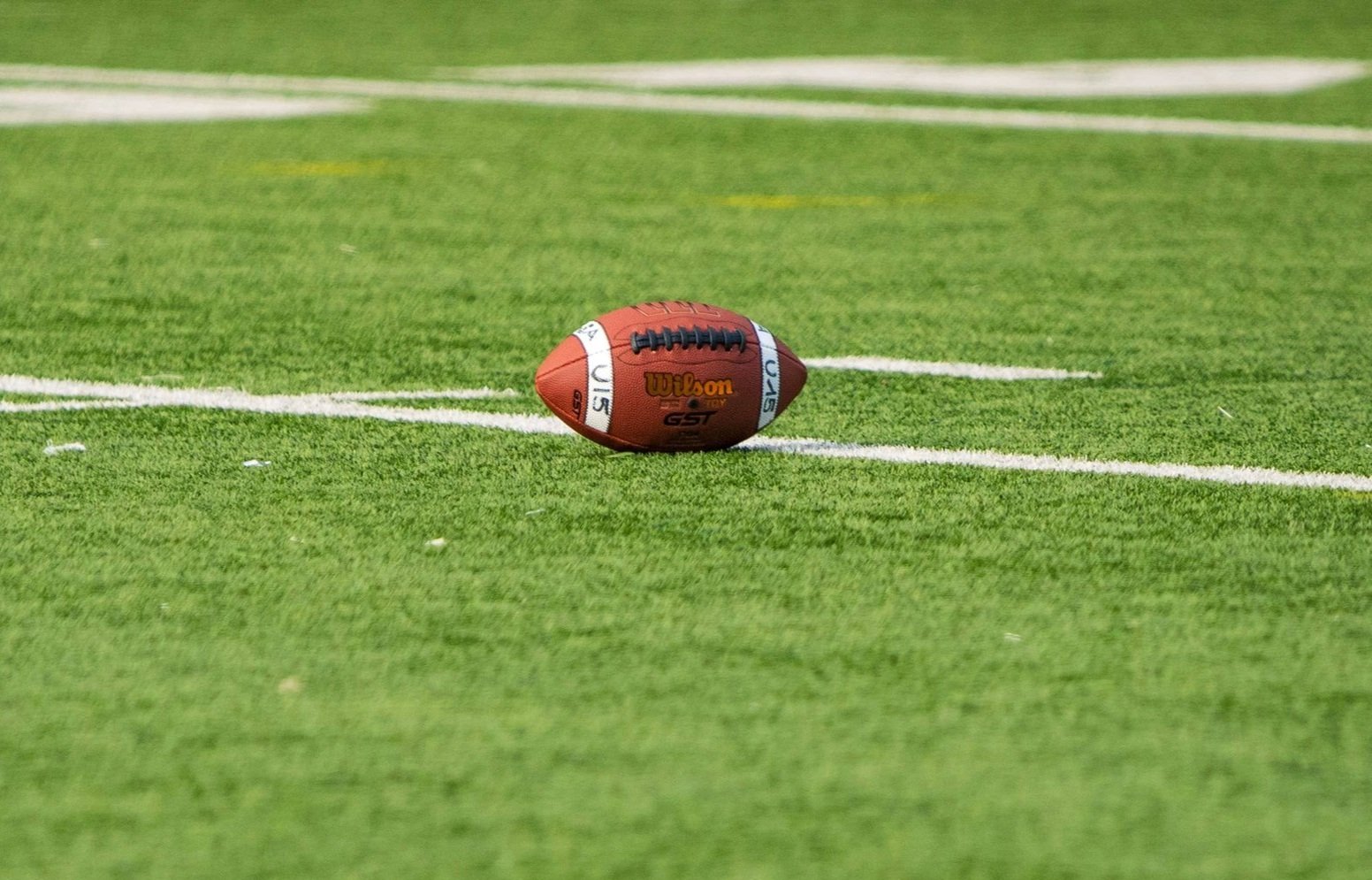
As a cognitive therapist, I have worked directly with hundreds of people who have had multiple concussions. I am also a mother. One of the questions I am frequently asked is, “Would you ever let your kids play football?” With stories of suicides, severe depression, cognitive challenges, and persistent physical symptoms (e.g., headaches, ringing in the ears) associated with chronic traumatic encephalopathy (CTE) making headlines, a lot of people see this question as a no-brainer. Personally, I probably wouldn’t, but it just so happens my children have never expressed a desire to play football, and it likely will never come up. I think this issue is quite complex, and while I would choose not to let my children play, I don’t harshly judge parents who do. After all, I allow my children to participate in sports such as alpine skiing and soccer, which also have risks.
You may have heard that a post-mortem research study on NFL players showed CTE in 99% of their brains. However, the research sample included only players who had concerns about CTE. Twenty-one percent of the people included in the study who played in high school were positive for CTE. Most high school players will not go on to play in college or beyond. For some parents, seeing their children display enthusiasm for anything is a relief. It keeps them out of trouble after school, and gives them something to care about. It allows children to understand what it means to be part of a team, to commit, and to be fit. It may motivate teenagers to get better grades. The one thing I know, is that if I were to let my children play football, I would stay involved. I would talk to the coach and learn about what education he or she was providing to the players. I would want to know whether the coach was up to date on the research around concussive injuries. I would talk to my own children about the risks and the importance of reporting symptoms. One of the scariest things, I think, is that many players will hide their symptoms for fear of being benched.
If parents do decide to let their children play, they should encourage the coach to hold a meeting at the beginning of the season for both players and parents. Topics covered should include concussion protocols, signs and symptoms of concussive injury, risks, and treatment options. These meetings should not be limited to football teams. Another option for parents is to look into and support a shift to flag football. The Aspen Institute’s Sports and Society Program has recommended that youth leagues shift to flag football for children under 14 years old. It is important to remember that children are counting on adults to be informed and make choices that are in their best interest. The brain is a precious organ, and protecting it, especially in young people, should be a priority.
- Ramya Shyam, MS CCC-SLP