CONCUSSION CARE
Understanding Concussion Symptoms & Recovery
Concussions can affect multiple systems and influence how you think, feel, and function. Understanding your symptoms, and what may be contributing to them, is the first step toward recovery.

Information on this page is intended for educational purposes and should not replace medical evaluation or professional medical advice.
What is a Concussion?
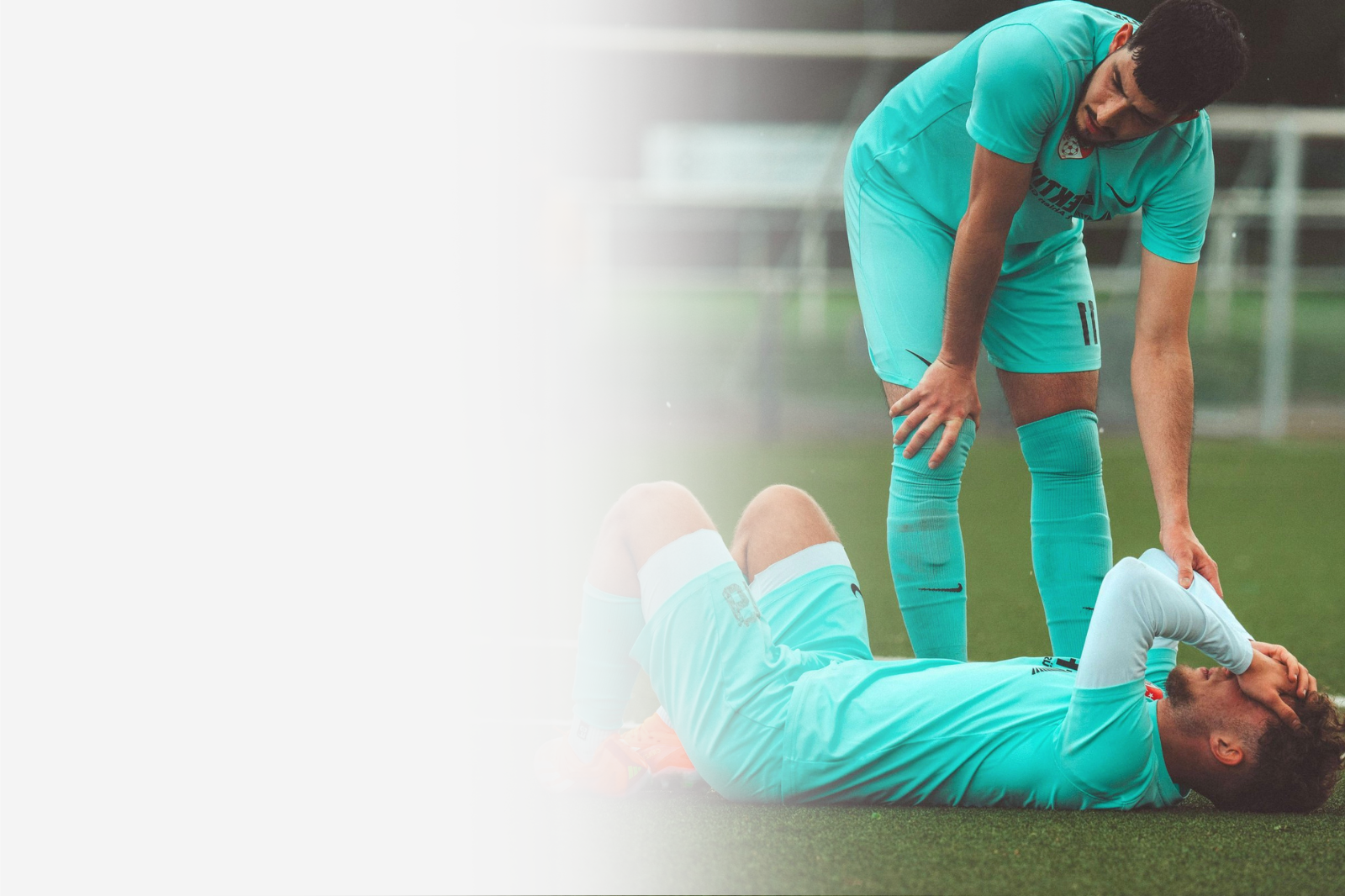
A concussion is a type of mild traumatic brain injury (mTBI) that can occur after a blow, bump, or jolt to the head—or after an impact to the body that causes the head and brain to move rapidly.
Concussions usually are caused by an impact to the head or body. However, not everyone who experiences a blow to the body or head has a concussion.
Some concussions cause the person to lose consciousness, but most do not.
Concussions can affect multiple systems throughout the body and may influence physical, cognitive, visual, emotional, and vestibular function.
Common Concussion Symptoms
Every concussion is different. While some patients recover quickly, others experience symptoms that persist and affect school, work, exercise, or daily activities.
Common symptoms include:
Physical Symptoms
Headaches
Dizziness
Balance problems
Fatigue
Neck pain
Sensitivity to light or sound
Cognitive Symptoms
Brain Fog
Difficulty concentrating
Memory problems
Slower processing speed
Emotional Symptoms
Anxiety
Irritability
Emotional changes
Stress intolerance
Functional Challenges
Difficulty returning to school, work, or physical activity
Reduced exercise tolerance
Why Recovery Can Be Complex
For some people, concussion symptoms resolve relatively quickly. For others, symptoms persist, overlap, and change over time.
-
Dizziness, balance, and motion sensitivity
-
Vision and Visual processing difficulties
-
Neck pain and other cervical-related symptoms
-
Brain fog, concentration, memory, and cognitive fatigue
-
Headaches, fatigue, and difficulty tolerating exercise
Recovery challenges may involve multiple systems, including:
💡
When symptoms overlap, it can be difficult to know what’s causing what, or what to address first.
That’s where coordinated evaluation and care can help.

When Should You Consider Specialized Care?
→ Symptoms aren’t improving as expected
→ Recovery feels stalled or symptoms are getting worse
→ Headaches, dizziness, or vision problems continue
→ Symptoms interfere with school, work, sports, exercise or daily life
→ Multiple symptoms are occurring across your usual activities
→ You’re having difficulty returning to your usual actives
→ Previous treatment hasn't fully addressed your concerns
If you're unsure what's contributing to your symptoms or what to do next, a comprehensive evaluation can help clarify your needs and identify appropriate next steps.
Concussion recovery isn’t always straightforward. Our multidisciplinary team brings together different areas of expertise to better understand and develop a care plan based on your individual needs.
Our goal is to help patients better understand symptoms, support recovery, and safely return to daily life.
How Colorado Concussion Clinic Helps

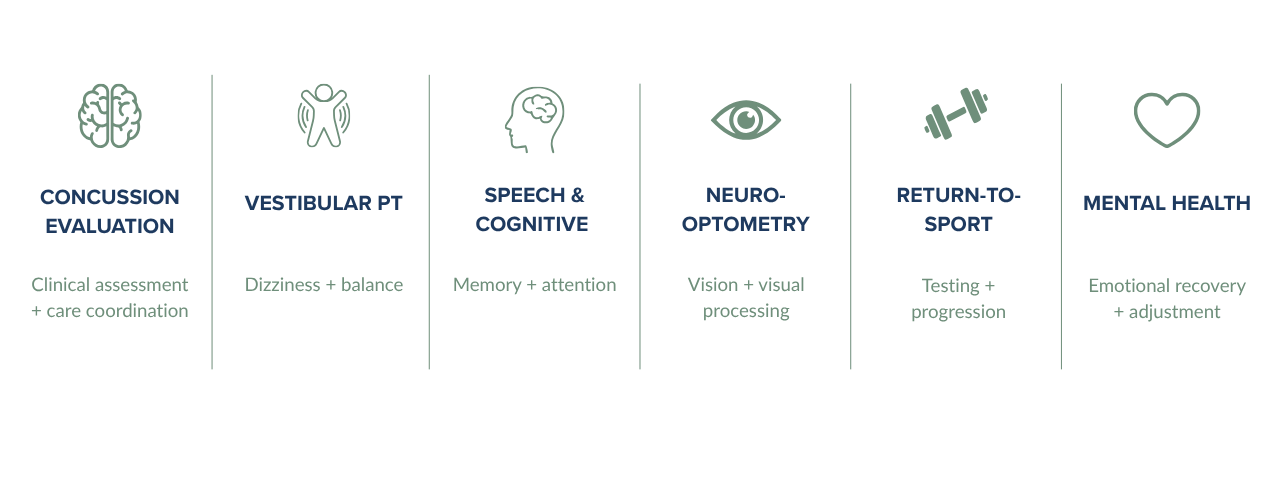
Depending on symptoms and evaluation findings, treatment may include:
Not Sure What Your Next Step Should Be?
You don't have to figure out concussion recovery on your own. If you're experiencing persistent or complicated symptoms, our team can help you understand what's happening and determine what comes next.