
BLOG

Insights and education from the Colorado Concussion Clinic team.
FEATURED POSTS
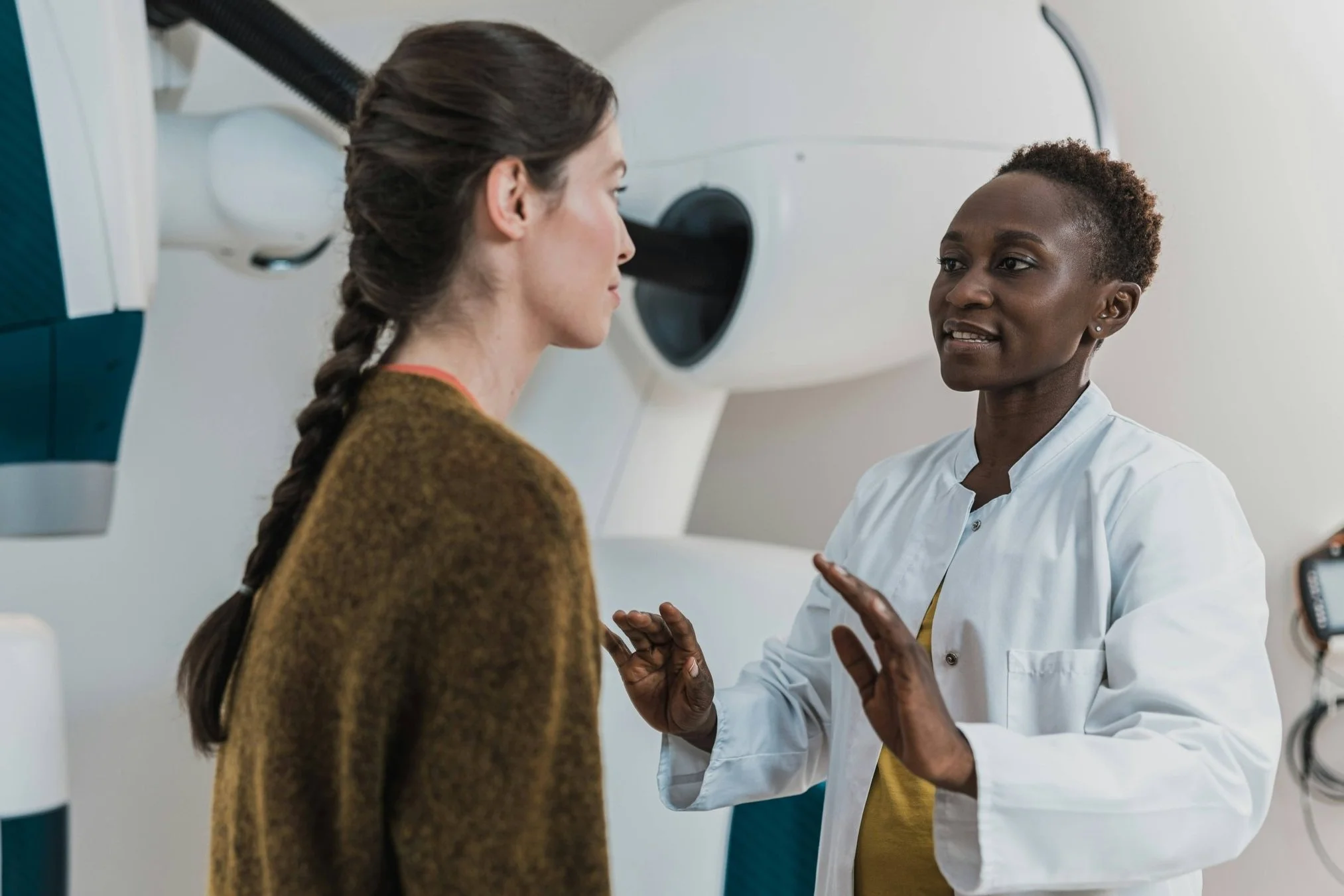



How Long Do Concussion Symptoms Last?
How long do concussion symptoms last? Learn about typical recovery timelines, persistent symptoms, factors that may affect recovery, and when to seek additional care.

Concussion Myths: Debunked! What’s Actually True After a Concussion?
Think concussion requires a head hit, complete rest, or an abnormal MRI? Learn the truth behind 12 common concussion myths and what current guidance recommends.

Are Return-to-Play Protocols Enough? What Athletes and Families Should Know About Returning After a Concussion
Is completing a return-to-play protocol enough after a concussion? Learn why symptoms, cognition, balance, exercise tolerance, and sport-specific demands all matter.

Regulating Your Emotions After a Concussion
Concussions can impact a variety of brain functions including one’s ability to tolerate stress and overall increase in emotional distress. These moments of distress can be amplified by the difficulty of managing other concussion symptoms, such as pain, headaches, overstimulation, cognitive impairments, and new physical limitations.

Concussion Care Matters: What to Do After a Concussion
Concussion recovery doesn't always mean staying in bed and waiting for symptoms to disappear. Learn what to do after a concussion, when to seek additional care, and how individualized rehabilitation can support recovery when symptoms persist.
Why Do I Still Have Symptoms Months After a Concussion?
The brain is brilliant at survival, which can make your recovery more difficult.
A head injury can change everything. Your brain is smart - and adaptable. However, due to the nature of head injury or whiplash, your brain may stay locked into a protective response, long after the danger has passed, stalling your healing process.
Why Choose Colorado Concussion Clinic for Physical Therapy?
At Colorado Concussion Clinic, we believe that your recovery should be as unique as you are. That’s why our physical therapy approach is built on expert care, personalized treatment, and an unwavering commitment to your long-term well-being.
Why You Need a Thorough Neuro-Optometry Evaluation if You’re Having Vision Problems After a Concussion
If you've experienced a concussion and are dealing with ongoing vision problems, a thorough neuro-optometry evaluation is essential. Unlike a standard eye exam, which primarily checks for eye health and visual acuity, a neuro-optometry evaluation goes much deeper, addressing the complex systems that control how we process visual information.
Concussions and Grief | Thoughts from a Denver Concussion Therapist
You had a head injury and now everything has changed. You may not be able to think clearly, you’re having issues with your memory or concentration, and tasks that were easy for you before are now challenging. Some people may also experience ongoing headaches, problems sleeping, and other physical symptoms. There can be a lot of grief and loss associated with getting a concussion and the ramifications of it.
Celebrating the Holidays with a Concussion: A Survival Guide
It’s the last 6 weeks of 2024, and we’ve officially entered the holiday season. Christmas music is playing, lights are going up on buildings, and people are getting into the festive spirit. Holidays are meant to be a fun time of the year, hopefully spent with loved ones. However, this year could be a little different if you’ve recently sustained a concussion. Holidays may now feel overwhelming and overstimulating. But with the following tips, you can prevent the worst of the symptoms.
Signs of Developing PTSD After Sustaining a Concussion
Not everyone who has had a traumatic incident goes on to develop the mental health condition, Post-Traumatic Stress Disorder (PTSD). In this article, we will explore some signs that you could have PTSD as a result of sustaining your concussion.
Why are you suffering from long-COVID and when will you get better? Here’s what we know…
As a cognitive therapist, I have seen an increasing number of patients who are suffering from what has been termed “long-COVID” symptoms. Based on my own (completely unscientific) analysis, there is not a single link that would determine why they all suffer from extended symptoms. They are varying ages, both male and female, have differing occupations and educational levels, etc. Some have significant prior medical issues, and some were healthy with no complaints. So, I turned to the research to see if the people who actually get paid to study this stuff came up with anything better.
Headaches ... "They come out of nowhere"
One of the most prominent symptoms of concussion is headache. After a concussive injury headaches are often the main symptom that impacts one’s daily functioning. One moment you might be effectively managing your pain and then the next thing you know you have a significant headache that causes you to stop what you are doing. Patients often remark, “It just came out of nowhere!”
Getting Back to Work After a Medical Leave
Returning to work after a medical leave can feel intimidating. Several questions may be running through your mind...Am I ready? What if my headaches get worse again? What if I make mistakes? How am I supposed to function at a high level all day? How will I manage work and my home life?
Do I need to see a neurologist?
You’ve just sustained a concussion, which is a mild traumatic brain injury. You might be wondering if you need a neurologist on your team, since neurologists diagnose and treat disorders of the brain. This is a great question, and one we get all the time.
In most cases, it is not necessary to see a neurologist following a concussion. A lot of our patients go to the ER to get checked out in the first few days, which is a very appropriate course of action. If there is no concern for brain bleed or need for surgery, they are typically told to follow-up with their primary care physician, or PCP. Ideally the PCP will give the patient some guidance for how to manage the symptoms during the acute phase and refer them to a concussion specialist. Getting care for your concussion early has been shown to decrease the risk of persistent post concussive syndrome.
What’s most important to your recovery, is having a medical professional on the case who has extensive knowledge of the typical and atypical courses of concussive injury, as well as the treatments available. Concussion management has dramatically evolved over the years, and it is important to understand that not all doctors, including neurologists, might be up to date. BEWARE of physicians who tell you to sit in a dark room for a week, or that there is nothing you can do but wait for your symptoms to go away. We now know that getting care within even as little as 36 hours post injury improves your chances of a shorter and faster recovery.