BLOG

Concussion, Brain Health Sarah Brittain Concussion, Brain Health Sarah Brittain

Headaches ... "They come out of nowhere"

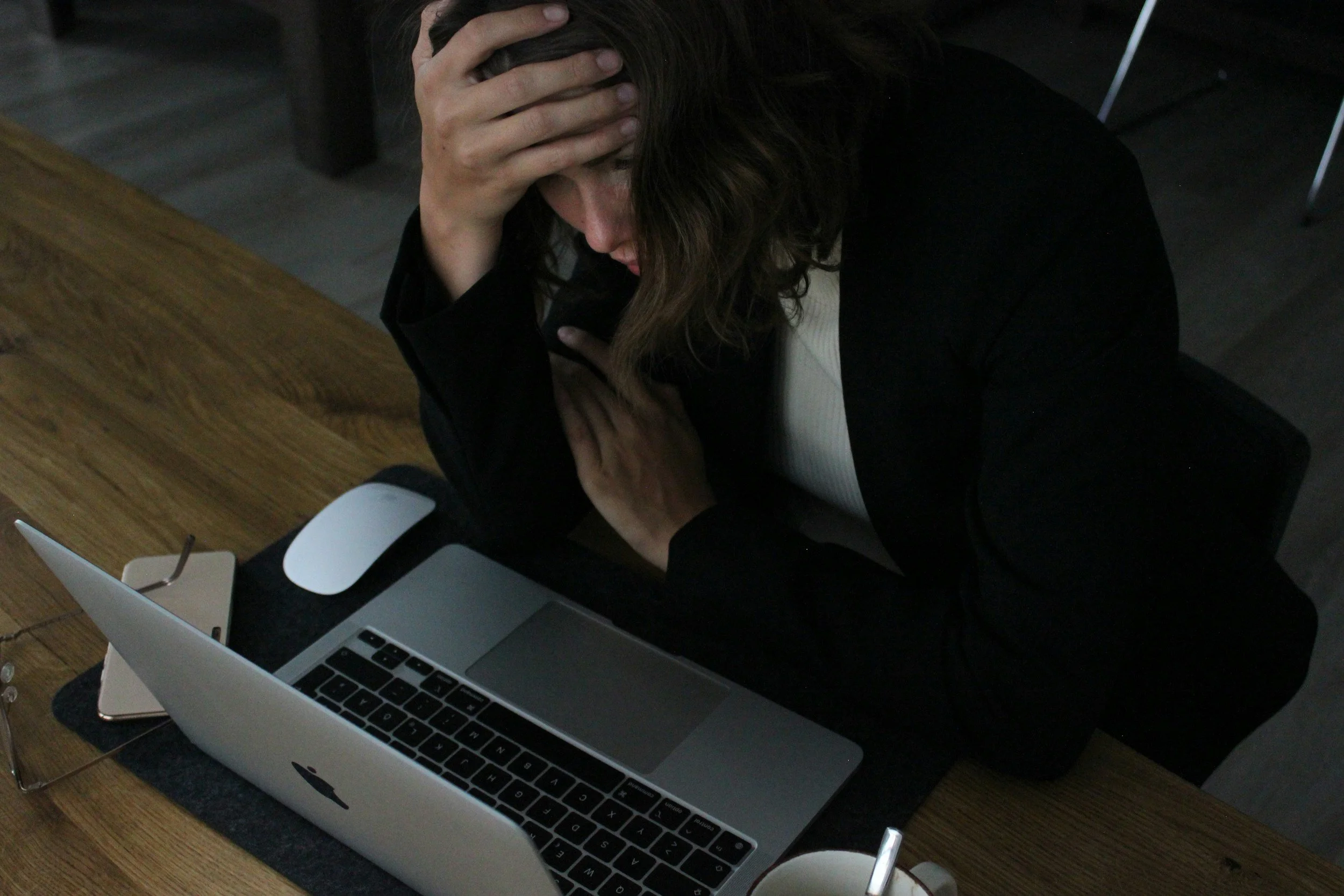
One of the most prominent symptoms of concussion is headache. After a concussive injury headaches are often the main symptom that impacts one’s daily functioning. One moment you might be effectively managing your pain and then the next thing you know you have a significant headache that causes you to stop what you are doing. Patients often remark, “It just came out of nowhere!”

One of the most prominent symptoms of concussion is headache. After a concussive injury headaches are often the main symptom that impacts one’s daily functioning. One moment you might be effectively managing your pain and then the next thing you know you have a significant headache that causes you to stop what you are doing. Patients often remark, “It just came out of nowhere!” . Usually, however, there is some kind of trigger that you are unaware of, causing the significant increase in head pain. 

While some triggers are more obvious, such as working for hours, others are less so.  Some triggers can be as simple as looking at a screen for too long, stepping outside without sunglasses, having the TV on in the background, overdoing it with physical exercise, etc.. The best way to understand your personal headache triggers is to monitor your symptoms, record your daily activities and any increase in symptoms you notice. Everyone is different, some symptoms may increase immediately at the onset or just after a trigger, but some symptoms may increase hours/days later. Keep an Activity & Symptom Log. 

For Example: 

  • Gardening outside from 1:00 pm - 4:00 pm 

… difficulty sleeping and a massive headache the next morning 

  • Went to the Costo 

… significant increase in headache beginning while at the store and continuing to increase on the way home

Once you have a log of your activities and symptoms, you can begin to find the patterns and identify your personal triggers. 

In the gardening example, the triggers may be sunlight, heat, and/or physical activity (e.g., bending down and standing up). Next time you garden, plan ahead and try to mitigate these triggers by wearing sunglasses and/or a hat, taking frequent breaks inside, and bringing a chair to sit down in instead of standing or kneeling. 

In the Costo example, the triggers may be background noise (e.g., people talking or music playing), fluorescent lighting, or trying to remember a long grocery list in your head. Next time you take a trip to Costo, plan ahead and try to mitigate these triggers by wearing a hat to shield your eyes from the fluorescent lights, wearing earplugs, and writing everything down in a grocery list organized by section in the store. 

The ultimate goal early in concussion recovery is to reduce significant symptoms such as headaches. When one is in a state of high pain and intense headache they are unable to complete daily activities (understandably so!). This is disruptive to one's life, and is also counterproductive to recovery. Once you understand your triggers, you will be able to hopefully reduce the frequency and intensity of your headaches, allowing the brain more time to heal your concussive injury.

Hannah Beach MS CCC-SLP

Read More
Concussion Sarah Brittain Concussion Sarah Brittain

Do I need to see a neurologist?

You’ve just sustained a concussion, which is a mild traumatic brain injury. You might be wondering if you need a neurologist on your team, since neurologists diagnose and treat disorders of the brain. This is a great question, and one we get all the time.

In most cases, it is not necessary to see a neurologist following a concussion. A lot of our patients go to the ER to get checked out in the first few days, which is a very appropriate course of action. If there is no concern for brain bleed or need for surgery, they are typically told to follow-up with their primary care physician, or PCP. Ideally the PCP will give the patient some guidance for how to manage the symptoms during the acute phase and refer them to a concussion specialist. Getting care for your concussion early has been shown to decrease the risk of persistent post concussive syndrome.

What’s most important to your recovery, is having a medical professional on the case who has extensive knowledge of the typical and atypical courses of concussive injury, as well as the treatments available. Concussion management has dramatically evolved over the years, and it is important to understand that not all doctors, including neurologists, might be up to date. BEWARE of physicians who tell you to sit in a dark room for a week, or that there is nothing you can do but wait for your symptoms to go away. We now know that getting care within even as little as 36 hours post injury improves your chances of a shorter and faster recovery.

You’ve just sustained a concussion, which is a mild traumatic brain injury. You might be wondering if you need a neurologist on your team, since neurologists diagnose and treat disorders of the brain.  This is a great question, and one we get all the time.  

In most cases, it is not necessary to see a neurologist following a concussion.  A lot of our patients go to the ER to get checked out in the first few days, which is a very appropriate course of action.  If there is no concern for brain bleed or need for surgery, they are typically told to follow-up with their primary care physician, or PCP.  Ideally the PCP will give the patient some guidance for how to manage the symptoms during the acute phase and refer them to a concussion specialist.  Getting care for your concussion early has been shown to decrease the risk of persistent post concussive syndrome.  

What’s most important to your recovery, is having a medical professional on the case who has extensive knowledge of the typical and atypical courses of concussive injury, as well as the treatments available.  Concussion management has dramatically evolved over the years, and it is important to understand that not all doctors, including neurologists, might be up to date.  BEWARE of physicians who tell you to sit in a dark room for a week, or that there is nothing you can do but wait for your symptoms to go away.  We now know that getting care within even as little as 36 hours post injury improves your chances of a shorter and faster recovery.

Our clinic was born out of the realization that high-quality comprehensive concussion care is hard to find.  The two medical professionals on our team who provide case management are Michelle Reed, Nurse Practitioner, and Kathryn Reitz, Doctor of Osteopathy.  These two providers have seen so many patients, spanning the acute concussion stage to several years post-concussion.  Unlike most neurologists, who often treat a variety of neurological issues, they are seeing concussion cases all day - it’s their wheelhouse.  They have a deep understanding of the symptomology of head injury, know that certain medications are more effective with this population of patients, and are well-versed in the most current evidence-based therapies and how these therapies interact to produce results.  A majority of the people that come through our clinic never need to see a neurologist.  They experience significant improvement from the care provided by our NP or DO, and the rehab therapists.  It’s a good thing, too, because it can take months to get an appointment with a neurologist!  

All that said, a good health professional understands when it’s time to refer to a neurologist or other specialist.  Is there concern for seizures?  Are the migraines not improving after several interventions have been tried?  Is the patient experiencing fainting spells?  Did a Brain MRI show something concerning?  Like investigators, they will always ask questions, but it is very important to share all of your symptoms with your providers so that they can be sure to point you in the right direction and get you the help you need.  


Read More

Featured Posts: